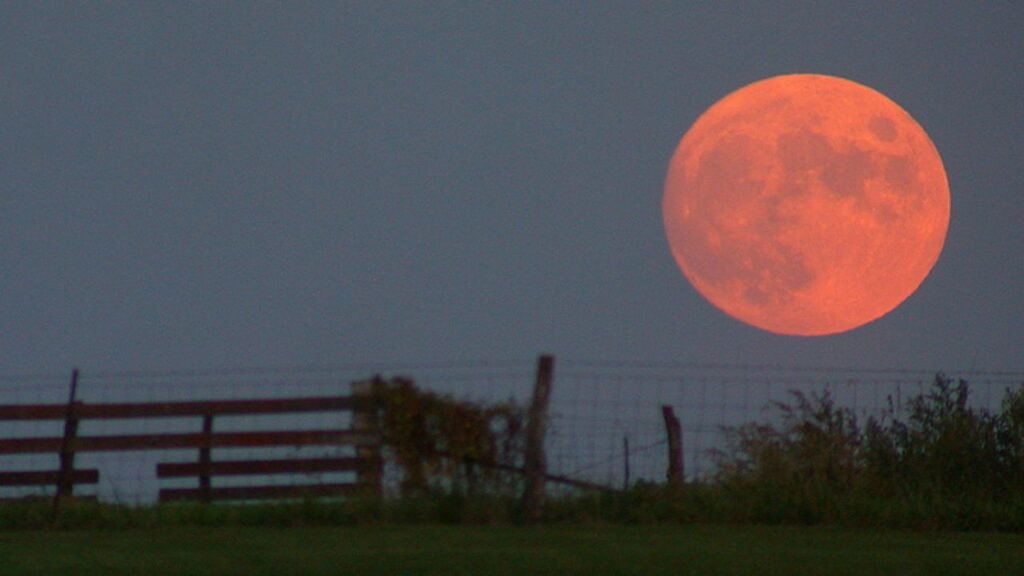
Have you ever noticed how the Moon looks unusually large when it is rising or setting near the horizon, but seems smaller once it climbs higher into the sky? This striking visual effect has fascinated humans for centuries. Despite how real it looks, the Moon is not actually changing size. Instead, what you are seeing is a well-documented optical illusion shaped by the way the human brain interprets space, distance, and surrounding objects.
Understanding why this happens reveals more about human perception than about the Moon itself.
The Moon Does Not Physically Change Size
First, it is important to clarify a common misconception. The Moon’s actual size remains constant throughout the night. Measurements and photographs confirm that the Moon’s diameter stays nearly the same whether it is near the horizon or high overhead.
In fact, when the Moon is close to the horizon, it is slightly farther away from the observer than when it is directly overhead. If distance alone determined size, the Moon should appear marginally smaller near the horizon. Yet our eyes tell a different story.
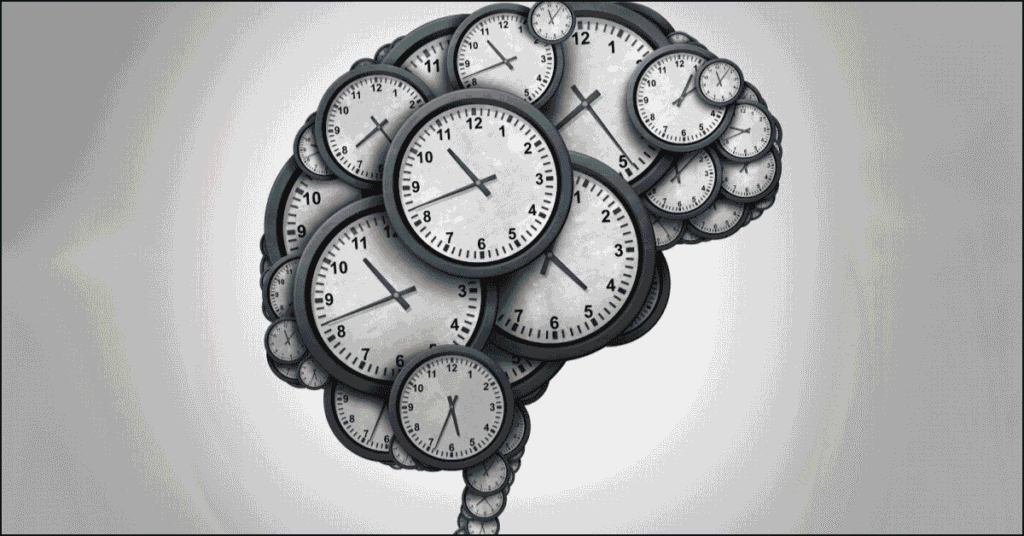
This contradiction points to the true cause: how the human brain processes visual information.
The Moon Illusion Explained
The phenomenon is known as the Moon illusion, and scientists have studied it for hundreds of years. The illusion occurs because the brain does not judge the Moon’s size in isolation. Instead, it compares the Moon to nearby objects and interprets depth and distance based on context.
When the Moon is near the horizon, it appears alongside familiar objects such as buildings, trees, mountains, and rooftops. These objects give the brain a sense of scale. Because the Moon appears far away yet comparable in size to nearby landmarks, the brain interprets it as being much larger.
When the Moon is high in the sky, there are no reference points. The surrounding sky offers no objects to compare against, so the Moon appears smaller, even though its actual size remains unchanged.
How Distance Perception Plays a Role
Human vision evolved to judge objects on Earth, not celestial bodies. Our brains use distance cues such as perspective, size comparison, and depth to estimate how big something should be.
Near the horizon, the Moon is perceived as being farther away because it lies along a flat visual plane stretching into the distance. To compensate, the brain subconsciously “scales up” the Moon to match what it believes a distant object should look like.
When the Moon is overhead, that distance framework disappears. The sky no longer feels like a flat plane but an open space, so the brain does not apply the same scaling effect.
Why Photographs Often Disagree With Our Eyes
Interestingly, when people take photos of the Moon near the horizon and compare them to photos taken higher in the sky using the same camera settings, the Moon appears the same size in both images.
This happens because cameras do not interpret context the way human brains do. A camera records raw visual data without adjusting for perceived distance or scale. The illusion exists entirely in human perception, not in physical reality.
This is why the Moon illusion can feel confusing. What you see with your eyes does not match what instruments measure.
Does Earth’s Atmosphere Affect the Moon’s Size?
Earth’s atmosphere does influence how the Moon looks, but not its size. Near the horizon, the Moon often appears more yellow or orange due to atmospheric scattering of light. Dust and particles in the air filter out shorter wavelengths of light, changing the Moon’s color.
While this color shift can make the Moon seem more dramatic, it does not cause the size illusion. The enlargement effect comes almost entirely from perception, not atmospheric distortion.
A Universal Human Experience
The Moon illusion is experienced by people across cultures and locations, suggesting it is a fundamental feature of human vision. Even knowing that the Moon is not actually larger does not make the illusion disappear. The brain continues to apply the same visual rules automatically.
This makes the illusion a powerful reminder that human perception is not a perfect reflection of reality. What we see is often shaped by context, expectations, and subconscious processing.
Why the Illusion Still Matters Today
Understanding the Moon illusion helps scientists study how the brain interprets space and distance. It also explains why human perception can be misleading in everyday situations, from judging distances while driving to interpreting visual information in unfamiliar environments.
The next time you see a large Moon rising near the horizon, you can appreciate it not only as a beautiful sight, but also as a fascinating example of how the human mind shapes reality.