
Left-handedness has fascinated humans for centuries. In a world where most tools, designs, and habits favor the right hand, a small portion of the population naturally prefers the left. But why does this difference exist at all? Scientists now understand that handedness is shaped by a mix of biology, genetics, and brain development rather than simple choice or training.
What Does It Mean to Be Left-Handed
A person is considered left-handed when they naturally prefer using their left hand for tasks that require precision, such as writing, throwing, or eating. Globally, about 10 percent of people are left-handed, a ratio that has remained surprisingly stable across cultures and time periods.
This consistency suggests that left-handedness is not random. Instead, it is deeply rooted in how the human brain and body develop.
The Role of the Brain
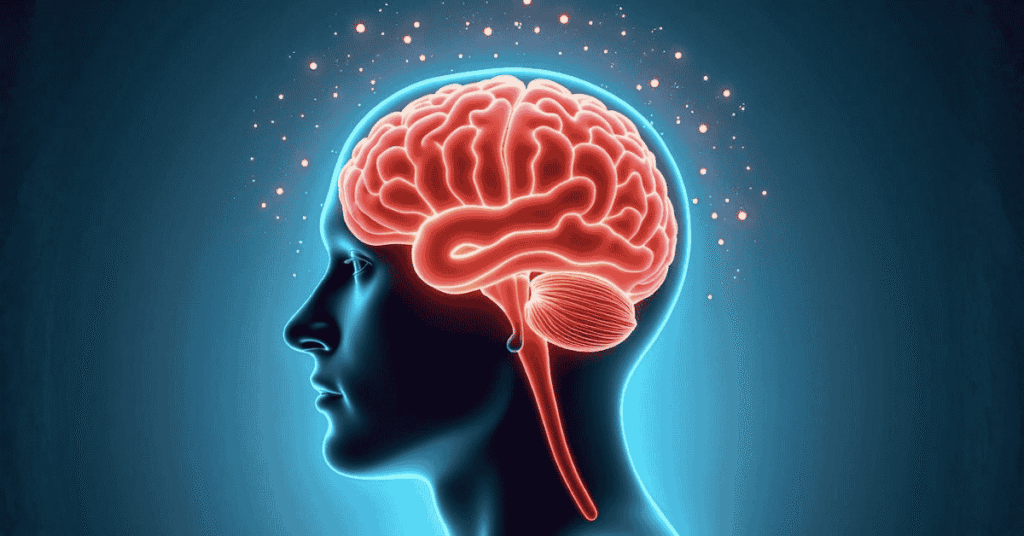
Handedness is closely linked to brain lateralization, which means that different sides of the brain control different functions. In most people, the left hemisphere of the brain controls language and fine motor skills, which results in right-hand dominance. In many left-handed individuals, these functions are either shared between hemispheres or controlled more by the right side of the brain.
Brain imaging studies show that left-handed people often have more balanced communication between the two hemispheres. This does not mean one group is smarter than the other, but it does suggest differences in how information is processed.
Is Left-Handedness Genetic
Genetics plays a role, but it is not controlled by a single “left-handed gene.” Instead, multiple genes influence how the brain organizes itself before birth. If one parent is left-handed, the chances of their child being left-handed increase slightly. If both parents are left-handed, the likelihood rises further, but it is still not guaranteed.
This explains why left-handed children can be born to right-handed parents and why handedness often appears unpredictably within families.
Development Before Birth
Research suggests that handedness begins forming very early, even before birth. Ultrasound studies have shown that fetuses may show a preference for sucking one thumb over the other as early as the second trimester. This early preference often matches the child’s dominant hand later in life.
Hormonal exposure in the womb, particularly testosterone levels, may also influence how the brain’s hemispheres develop, subtly affecting handedness.
Environmental and Cultural Factors
In the past, many cultures discouraged left-handedness, especially in writing and eating. Children were often trained to switch to their right hand. While this practice reduced the visible number of left-handed people, it did not eliminate natural left-hand dominance.
Today, cultural pressure is much lower in most parts of the world, allowing natural handedness to develop freely. This is one reason modern studies provide more accurate data than historical records.
Advantages and Challenges of Being Left-Handed
Being left-handed comes with both benefits and challenges. In certain sports like boxing, tennis, or baseball, left-handed players may have an advantage because opponents are less accustomed to facing them. Some studies also suggest left-handed individuals may excel in tasks involving creativity or spatial reasoning, though results vary widely.
On the other hand, many everyday tools and environments are designed for right-handed users, which can make daily tasks slightly less convenient for left-handed people.
Why Right-Handedness Is More Common
The dominance of right-handedness likely provided evolutionary advantages. Shared handedness within groups may have improved coordination, tool use, and social learning in early human societies. Over time, this created a natural bias toward right-hand dominance, while still preserving a minority of left-handed individuals.
The persistence of left-handedness suggests it offers enough variation to remain part of the human population rather than being eliminated.
A Natural Part of Human Diversity
Ultimately, left-handedness is not a flaw or an anomaly. It is a natural variation in how the human brain and body develop. The presence of both left- and right-handed individuals reflects the complexity and adaptability of human biology.
Rather than asking why left-handed people are different, science now focuses on understanding how these differences contribute to the broader picture of human diversity.