
Music is a universal part of human life. Every culture, across every era, has created music in some form. People turn to music when they are happy, sad, stressed, motivated, or reflective. But music is more than entertainment. It has a deep emotional influence on the human mind, often affecting how we feel without us fully realizing why.
The Brain’s Natural Response to Music
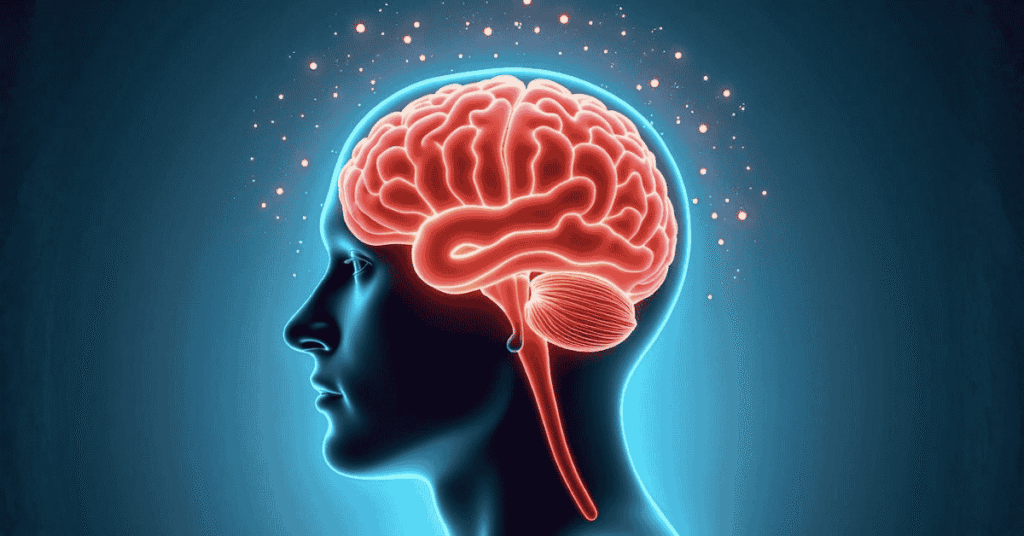
When we listen to music, multiple areas of the brain activate at the same time. Sound processing begins in the auditory cortex, but emotional reactions are triggered in deeper brain regions linked to memory, emotion, and reward. These areas release chemicals such as dopamine, which is associated with pleasure and motivation.
This is why a favorite song can instantly lift mood or create a sense of comfort. The brain treats music as a meaningful experience, not just background noise.
Music and Emotional Memory
One of the strongest emotional effects of music comes from its connection to memory. The brain stores musical memories alongside emotional experiences. A song heard during a significant life moment often becomes tied to that feeling.
When the song is heard again, the brain reactivates the original emotional state. This explains why music can instantly bring back memories of childhood, relationships, or important events. Even after many years, the emotional response remains strong because music acts as a powerful memory trigger.
Rhythm and the Human Body
Music does not only affect the mind. It also interacts with the body. Rhythms can influence heart rate, breathing patterns, and even movement. Fast tempos can increase energy levels, while slower rhythms can promote relaxation.
This physical response is one reason music is used in exercise, meditation, and stress management. The body naturally synchronizes with rhythm, creating a sense of connection between sound and physical sensation.
Why Sad Music Can Feel Comforting
It may seem strange that people often enjoy sad or emotional music. Instead of causing distress, this type of music can feel comforting. One reason is emotional validation. When music reflects sadness, listeners feel understood rather than alone.
Sad music can also provide a safe way to process emotions. It allows people to experience feelings without direct personal consequences. This controlled emotional release can be calming and even healing.
Cultural and Social Influence
Music plays a strong role in social bonding. Shared musical experiences bring people together, whether through concerts, religious gatherings, or celebrations. Singing or listening to music in groups creates a sense of unity and belonging.
Cultural background also shapes how people emotionally respond to music. Certain melodies, instruments, or rhythms may carry specific emotional meanings depending on cultural traditions. Even so, many emotional reactions to music appear to be universal, suggesting a deep biological connection.
Music as Emotional Communication
Music communicates emotions without words. Tone, tempo, harmony, and melody work together to express feelings that language sometimes cannot. This is why music is often used in films to intensify emotional scenes or guide audience reactions.
Humans naturally interpret these musical signals, often without conscious thought. A rising melody can suggest hope, while slow minor tones can signal sadness or tension.
Evolutionary Roots of Musical Emotion
Some researchers believe music played an important role in early human societies. Before complex language developed, music may have helped humans communicate emotions, strengthen group bonds, and coordinate activities.
This evolutionary background could explain why music feels deeply personal and emotionally powerful. The human brain may be wired to respond to musical patterns as part of social survival.
Why Music Continues to Matter
Music remains one of the most effective ways to influence mood and emotion. It can motivate, calm, comfort, or energize with remarkable consistency. Its impact crosses language barriers and cultural differences, making it a shared human experience.
The emotional power of music is not accidental. It reflects how closely sound, memory, movement, and emotion are connected in the human brain. This deep connection is why music continues to shape human emotions in such a meaningful way.