Humans are often described as social beings, but this idea goes deeper than enjoying conversations or relationships. From early survival to modern digital societies, humans have depended on communities to live, grow, and thrive. Our need for social connection is not accidental; it is rooted in biology, psychology, and history.
Understanding why humans rely on communities helps explain how societies formed and why connection remains essential even in an age of technology and independence.
Social Survival in Early Human History
Early humans did not survive alone. Thousands of years ago, individuals depended on groups for food, protection, and shelter. Hunting large animals, gathering resources, and defending against predators required cooperation. A lone human had limited chances of survival, while groups could share skills, labor, and responsibilities.
Communities allowed early humans to pass down knowledge, such as tool-making and navigation. This shared learning gave humans a survival advantage and laid the foundation for culture and tradition.
The Role of the Human Brain
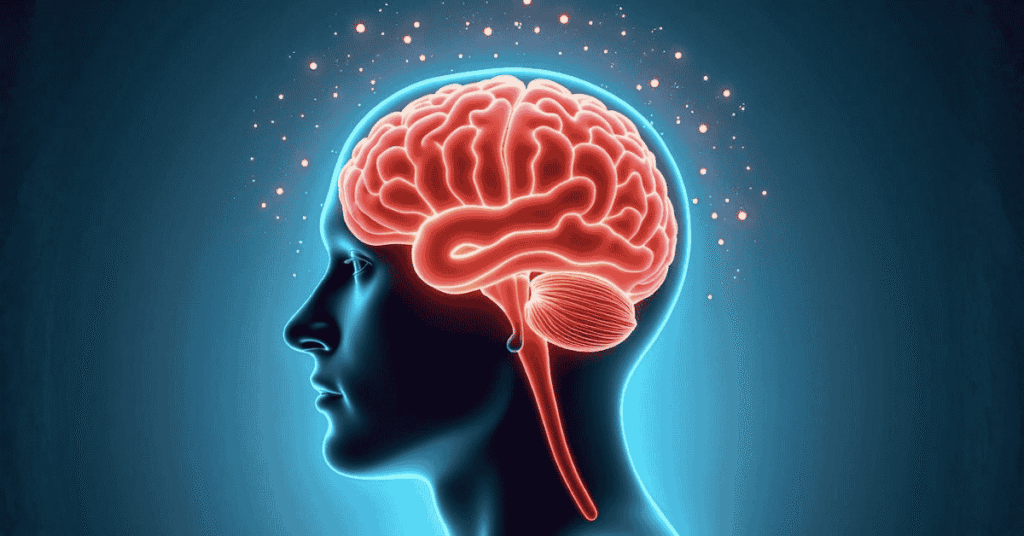
The human brain is wired for social interaction. Certain brain regions are specifically involved in understanding emotions, recognizing faces, and interpreting social cues. These abilities help humans build trust and cooperation within groups.
Neuroscience shows that social interaction activates reward centers in the brain. Feelings of belonging and acceptance release chemicals like dopamine and oxytocin, which promote bonding and emotional well-being. This biological response encourages humans to seek connection rather than isolation.
Emotional and Psychological Benefits of Community
Being part of a community supports emotional health. People who feel connected to others are generally better at managing stress and recovering from difficult experiences. Shared experiences, whether joyful or challenging, reduce feelings of loneliness and isolation.
Communities also provide emotional validation. When people share thoughts or concerns, they feel heard and understood. This sense of belonging strengthens self-confidence and mental resilience, especially during uncertain or stressful times.
Cooperation and Shared Responsibility
Communities allow humans to divide responsibilities and support one another. Families, neighborhoods, and societies function because people contribute different skills and resources. This cooperation makes daily life more manageable and efficient.
Shared responsibility also creates systems of care. Children, the elderly, and individuals facing hardship benefit from collective support. Community structures ensure that individuals are not solely responsible for survival or well-being.
Culture, Identity, and Shared Values
Communities shape identity. Language, traditions, customs, and shared beliefs emerge through social interaction. These elements give people a sense of belonging and continuity across generations.
Cultural identity helps individuals understand where they come from and how they fit into the world. Communities preserve shared values and provide meaning beyond individual goals, strengthening social bonds and cooperation.
Modern Communities in a Changing World
Today, communities extend beyond physical spaces. Online groups, workplaces, and global networks connect people across distances. While modern life promotes independence, the need for connection remains strong.
Even digital communities fulfill basic social needs by offering communication, collaboration, and shared interests. These connections reinforce the idea that humans continue to rely on collective interaction, even as technology changes how communities form.
The Cost of Isolation
When humans lack social connection, the effects can be significant. Long-term isolation is associated with increased stress, reduced emotional well-being, and difficulty coping with challenges. Humans are not designed to function entirely alone for extended periods.
Communities provide structure, purpose, and support. Without them, individuals may struggle to find motivation, security, and emotional balance.
Why Community Still Matters
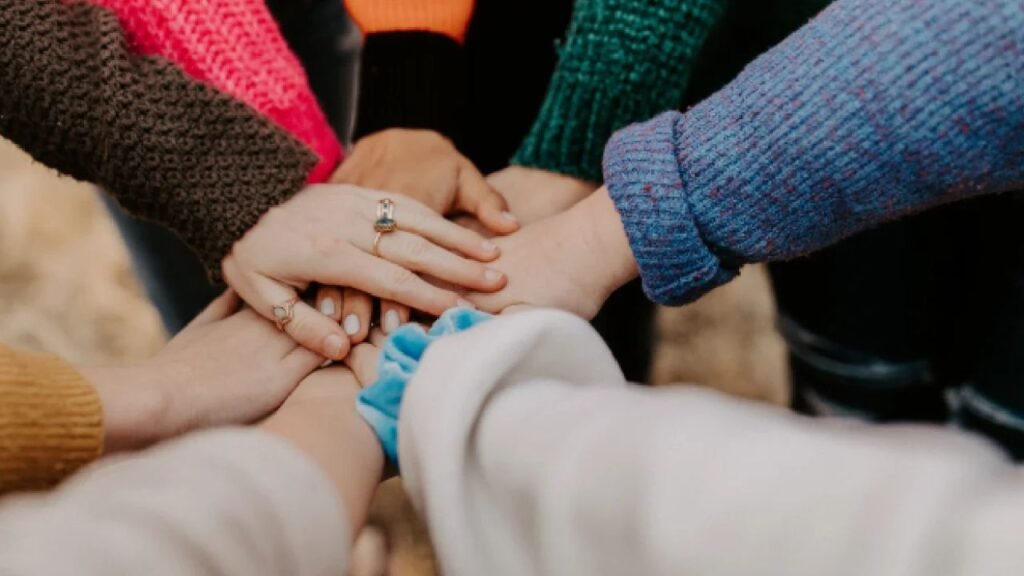
Despite advances in technology and individual freedom, humans remain dependent on communities. Social bonds help humans survive, learn, adapt, and find meaning. Communities offer emotional support, shared responsibility, and cultural continuity.
At its core, being social is part of what makes us human. Communities are not just optional additions to life; they are essential to how humans function, connect, and grow.