Symbols are a quiet but powerful part of everyday life. We see them on phones, roads, products, documents, and digital screens, often without thinking about where they came from or why they look the way they do. Behind these familiar signs lies a long history shaped by culture, practicality, and human communication. Understanding their origins helps us see how symbols evolved to become universal tools of meaning.
Why Humans Rely on Symbols
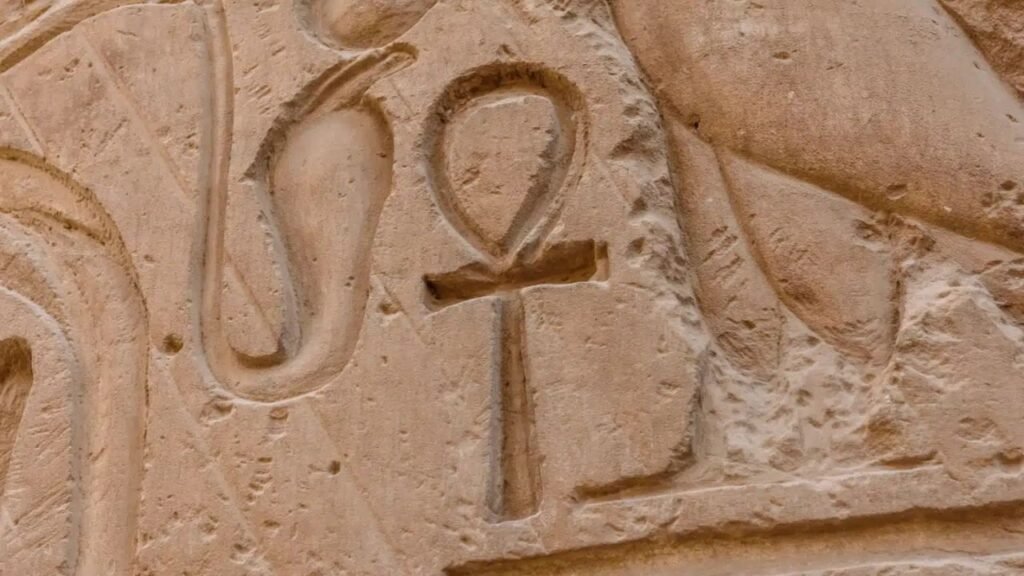
Long before written language became widespread, humans used symbols to communicate ideas quickly and across distances. Early cave paintings, carved marks, and pictographs were some of the first ways people shared information without spoken words. Symbols worked because they crossed language barriers and conveyed meaning instantly.
As societies grew more complex, symbols became essential for trade, religion, navigation, and governance. Over time, many of these visual signs became standardized, allowing people from different regions to understand the same message.
The Origins of the Heart Symbol
The heart symbol is widely associated with love and affection today, but its origins are still debated. Contrary to popular belief, it does not resemble the human heart. Some historians suggest it may have been inspired by the shape of silphium seeds, a plant used in ancient times and linked to fertility. Others believe it evolved from stylized depictions of ivy leaves or symbolic representations of unity.
By the Middle Ages, the heart symbol began appearing in art and manuscripts to represent emotional and spiritual love. Over time, it became simplified into the familiar shape we recognize today.
The Power Symbol and Modern Technology
One of the most recognizable modern symbols is the power button icon found on electronic devices. This symbol combines two binary concepts: “on” and “off.” The vertical line represents the number one, meaning on, while the circle represents zero, meaning off. These numbers come from binary code, the language of computers.
The symbol was standardized to avoid language confusion and ensure consistency across devices worldwide. Its simple design allows users to understand its function instantly, regardless of where they are.
The Peace Symbol and Its Meaning
The peace symbol originated in the 1950s during the nuclear disarmament movement in the United Kingdom. It was designed using semaphore signals for the letters “N” and “D,” standing for nuclear disarmament. The combination of these signals formed the now-famous circular symbol with downward lines.
Over time, the symbol was adopted by broader peace movements and became a global sign of nonviolence and unity. Its meaning expanded beyond its original purpose, showing how symbols can evolve with social change.
Traffic Symbols and Road Signs
Traffic symbols are among the most practical examples of visual communication. Early road signs relied heavily on text, which proved ineffective for travelers who spoke different languages. This led to the development of standardized shapes and colors.
For example, red became associated with stopping and danger because it is highly visible and easily noticed by the human eye. Triangles often signal warnings, while circles indicate rules or instructions. These design choices were shaped by psychology and safety needs rather than aesthetics.
The Recycling Symbol and Environmental Awareness
The recycling symbol, made up of three chasing arrows, was created in the 1970s during a design competition focused on environmental awareness. Each arrow represents a stage in the recycling process: collection, processing, and reuse.
Its looping design suggests continuity and sustainability, reinforcing the idea of reducing waste. The symbol quickly gained international recognition and remains one of the most widely understood environmental signs today.
Why Symbols Continue to Matter
In a fast-moving, digital world, symbols are more important than ever. They allow information to be communicated quickly, reduce reliance on text, and help people navigate complex systems with ease. From app icons to safety signs, symbols shape how we interact with our surroundings.
Their histories reveal that symbols are not random designs. They are carefully shaped by culture, technology, and human needs. As society evolves, new symbols will continue to emerge, carrying forward the same purpose that ancient markings once served: making meaning visible.