
The human body is remarkably adaptable. From scorching deserts to freezing polar regions, people have survived in environments that seem hostile to life. This survival is possible because the body has built-in systems that help it adjust to extreme heat and extreme cold. These adaptations happen automatically, often without us even noticing, as the body works to maintain a stable internal temperature.
Why Body Temperature Matters
The human body functions best at an internal temperature of around 37°C (98.6°F). Even small changes outside this range can affect organs, muscles, and brain activity. To protect itself, the body relies on a process called thermoregulation. This system constantly balances heat production and heat loss, allowing us to stay alive in very different climates.
How the Body Responds to Extreme Heat
When exposed to high temperatures, the body’s primary goal is to release excess heat. One of the first responses is sweating. Sweat glands release moisture onto the skin, and as it evaporates, it carries heat away from the body. This cooling effect becomes stronger when air movement helps evaporation.
At the same time, blood vessels near the skin widen, a process known as vasodilation. This allows more warm blood to flow close to the surface, where heat can escape into the surrounding air. As a result, skin may appear flushed or feel warm to the touch.
Over time, people who live in hot climates develop long-term adaptations. Their bodies may begin sweating earlier and more efficiently, losing less salt in the process. Heart rate and circulation also become better at handling heat stress, reducing the strain on vital organs.
However, extreme heat can still overwhelm these systems. If the body cannot cool itself fast enough, it may lead to heat exhaustion or heat stroke, which is why hydration and rest are essential in hot environments.
How the Body Responds to Extreme Cold
In cold conditions, the body focuses on conserving heat rather than releasing it. One of the fastest responses is vasoconstriction. Blood vessels near the skin narrow, reducing blood flow to the surface and keeping warmth concentrated around vital organs like the heart and brain. This is why fingers, toes, and ears feel cold first.
Shivering is another key response. When muscles contract rapidly, they generate heat as a byproduct. Shivering may feel uncomfortable, but it is an effective way to raise body temperature quickly.
The body also produces heat through metabolism. In cold environments, metabolic activity increases, burning more energy to generate warmth. Over long periods, people exposed to cold climates may develop higher tolerance, improved circulation, and better insulation through body fat distribution.
In extreme cases, prolonged cold exposure can still lead to hypothermia if heat loss exceeds the body’s ability to produce warmth.
Behavioral and Psychological Adaptations
Physical responses are only part of the adaptation process. Humans also rely heavily on behavior to manage temperature extremes. Seeking shade, wearing appropriate clothing, adjusting activity levels, and modifying shelter are all crucial survival strategies.
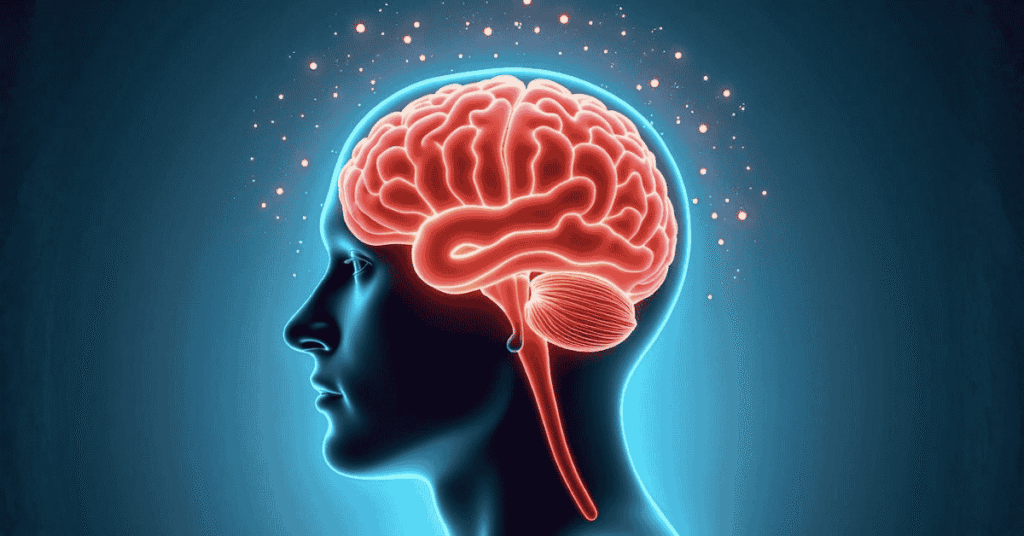
The brain plays a central role by interpreting temperature signals and triggering both physical and behavioral responses. Discomfort, for example, encourages people to seek warmth or cooling before serious harm occurs.
Long-Term Adaptation and Acclimatization
When people live in hot or cold environments for extended periods, their bodies gradually adapt through acclimatization. These changes are not permanent but can significantly improve comfort and safety. Athletes, outdoor workers, and residents of extreme climates often experience improved temperature regulation over time.
It is important to note that adaptation has limits. No matter how well-adjusted the body becomes, extreme temperatures can still pose serious risks without proper care and preparation.
The Balance That Keeps Us Alive
The human body’s ability to adapt to extreme heat and cold is a powerful example of biological resilience. Through sweating, shivering, circulation changes, and behavioral adjustments, the body constantly works to protect itself from environmental stress.
Understanding these mechanisms helps explain how humans have spread across nearly every part of the planet. While technology and clothing provide additional protection, it is the body’s natural adaptability that forms the foundation of human survival in extreme conditions.