Electricity is a part of everyday life, yet most people rarely think about where it comes from or how it reaches their homes. From flipping a switch to charging a phone, a complex system works silently in the background to make electricity available instantly. Understanding this journey helps explain why power outages happen, how energy sources matter, and how modern grids operate.
The Basic Idea Behind Electricity Generation
Electricity is generated by converting other forms of energy into electrical energy. In most cases, this happens when a turbine spins a generator. The spinning motion creates an electric current through electromagnetic induction, a process discovered in the nineteenth century.
The source of energy used to spin the turbine can vary. It may come from burning fuels, flowing water, wind, or even sunlight. Regardless of the source, the goal is the same: create motion that produces electricity.
Major Sources of Electricity
Different power plants use different energy sources, depending on location, resources, and technology.
Fossil fuel power plants burn coal, natural gas, or oil to heat water into steam. The steam spins a turbine connected to a generator. These plants have been widely used for decades but are gradually being reduced due to environmental concerns.
Hydroelectric plants use the force of flowing or falling water. Dams store large amounts of water, which is released to spin turbines. This method produces renewable energy and is commonly used in regions with rivers and mountains.
Wind power relies on large turbines turned by moving air. Wind energy is clean and renewable, but it depends on weather conditions.
Solar power converts sunlight directly into electricity using solar panels. Unlike other methods, solar panels do not require turbines. Instead, they use photovoltaic cells that generate electric current when exposed to sunlight.
Nuclear power plants use heat generated from nuclear reactions to produce steam that spins turbines. They generate large amounts of electricity with low emissions but require strict safety measures.
From Power Plant to Transmission Lines
Once electricity is generated, it needs to travel long distances to reach cities and towns. Power plants increase the voltage of electricity using transformers. High voltage allows electricity to travel efficiently over long distances with minimal energy loss.
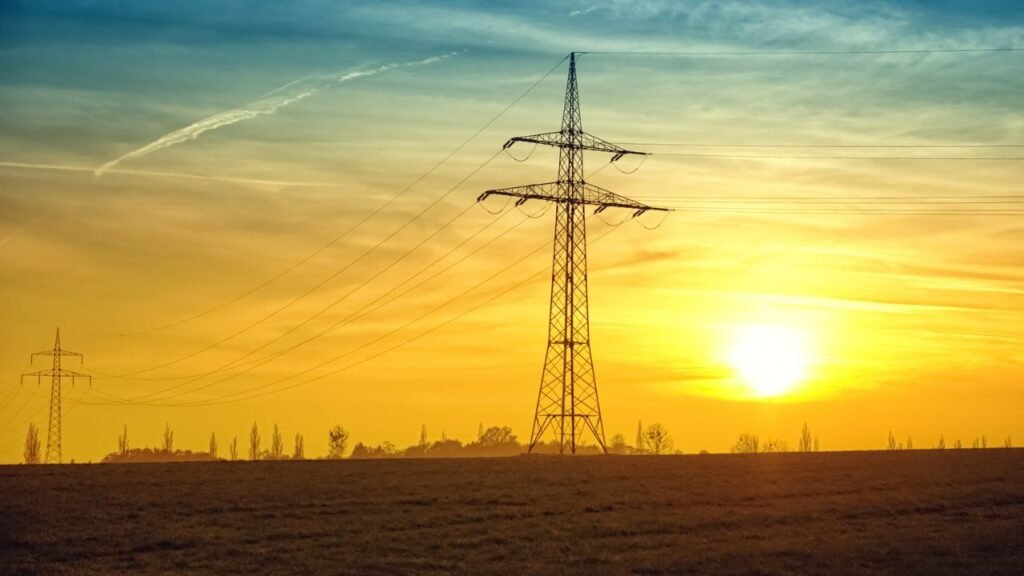
The electricity then moves through high-voltage transmission lines, often seen as large towers stretching across landscapes. These lines form the backbone of the electrical grid, connecting power plants to population centers.
Substations and Voltage Reduction
Electricity cannot be delivered to homes at extremely high voltage. Before it reaches residential areas, it passes through substations. These facilities reduce the voltage to safer levels suitable for distribution.
From substations, electricity flows through distribution lines, which are smaller power lines found along streets and neighborhoods. At this stage, the electricity is much closer to being usable by homes and businesses.
The Final Step Into Homes
Near homes, distribution transformers further reduce the voltage to levels safe for household use. These transformers are often mounted on utility poles or placed in ground-level boxes.
Once transformed, electricity enters homes through service lines and passes through an electric meter. The meter records how much electricity is used, which determines the monthly bill. From there, electricity flows through circuit breakers and wiring to outlets, lights, and appliances.
Why Power Outages Occur
Power outages can happen at any stage of this process. Severe weather can damage transmission lines, equipment failures can occur at substations, or local distribution lines may be affected by accidents or maintenance work. Because the system is interconnected, a problem in one area can sometimes impact many users.
A Connected System We Rely On
Electricity generation and delivery depend on a carefully balanced system that must constantly match supply with demand. Grid operators monitor usage patterns and adjust production to ensure stability.
As renewable energy sources expand and technology improves, the way electricity is generated and delivered continues to evolve. Despite these changes, the core process remains the same: turning energy into electricity and delivering it safely and reliably to homes.
Understanding this system highlights just how much coordination and engineering go into powering everyday life.