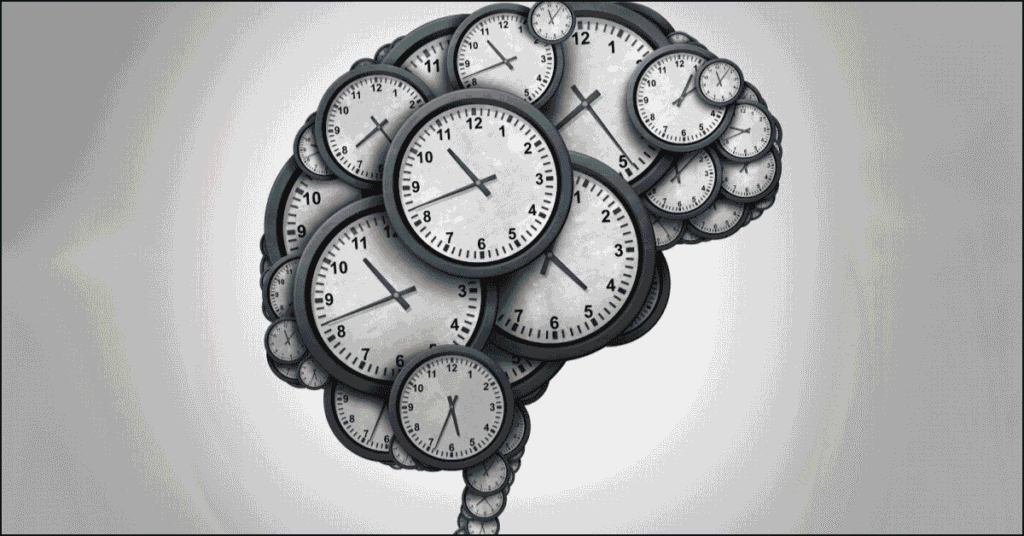

Culture plays a powerful role in shaping how people think, behave, and make decisions every day. From the food we eat and the way we communicate to how we perceive success, relationships, and time, culture silently influences our actions. Often, we are unaware of its impact because cultural norms feel natural to us. Understanding this influence helps explain why people from different parts of the world can respond so differently to the same situation.
What Is Culture and Why It Matters
Culture refers to the shared values, beliefs, traditions, customs, language, and social rules of a group of people. It is passed down through families, communities, education systems, and social institutions. Culture matters because it provides a framework for behavior. It tells people what is considered polite or rude, acceptable or unacceptable, normal or strange.
From childhood, individuals learn cultural rules through observation and experience. These rules guide daily decisions, often without conscious thought, making culture one of the strongest forces shaping human behavior.
Cultural Influence on Communication
One of the most visible ways culture shapes behavior is communication. In some cultures, direct communication is valued, and people are encouraged to speak openly and clearly. In others, indirect communication is preferred, where meaning is conveyed through tone, context, or body language rather than words alone.
Cultural norms also affect eye contact, personal space, gestures, and expressions of emotion. For example, maintaining eye contact may signal confidence in one culture, while in another it may be seen as disrespectful. These differences influence how people interact at work, in social settings, and even within families.
Decision-Making and Social Values
Culture strongly influences how people make decisions, especially when it comes to family, career, and personal goals. In individualistic cultures, people are often encouraged to prioritize personal achievement, independence, and self-expression. Decisions are commonly made based on individual preferences and ambitions.
In more collectivist cultures, decisions tend to consider family expectations, community harmony, and social responsibility. People may choose careers, partners, or lifestyles that align with group values rather than personal desires. Neither approach is right or wrong; they simply reflect different cultural priorities.
Daily Habits and Lifestyle Choices
Everyday behaviors such as eating habits, clothing choices, time management, and social routines are deeply rooted in culture. Meal times, portion sizes, and food preferences vary widely across cultures. Some cultures emphasize shared meals and long dining experiences, while others favor quick, individual meals.
Attitudes toward time also differ. In some cultures, punctuality is seen as a sign of respect and professionalism. In others, flexibility with time is more acceptable, and relationships may take priority over strict schedules. These cultural views influence how people plan their day and respond to deadlines.
Culture and Emotional Expression
Culture shapes how people express and manage emotions. Some cultures encourage open expression of feelings, viewing it as healthy and honest. Others value emotional restraint, teaching individuals to control or hide their emotions in public.
These cultural expectations affect how people cope with stress, conflict, and success. They also influence mental health awareness and the ways individuals seek support during difficult times.
Adapting Across Cultures
In today’s interconnected world, people are increasingly exposed to cultures different from their own. Travel, migration, and digital communication often require individuals to adapt their behavior and decision-making. This process can be challenging but also enriching.
Learning about cultural differences helps reduce misunderstandings and builds empathy. It allows people to navigate diverse environments more effectively, whether in workplaces, communities, or personal relationships.
Conclusion
Culture quietly shapes nearly every aspect of human behavior and daily decision-making. It influences how people communicate, what they value, how they make choices, and how they interact with others. By becoming more aware of cultural influences, individuals can better understand themselves and appreciate the diversity of human behavior. Recognizing the role of culture is an important step toward more thoughtful decisions and more respectful connections in an increasingly global society.