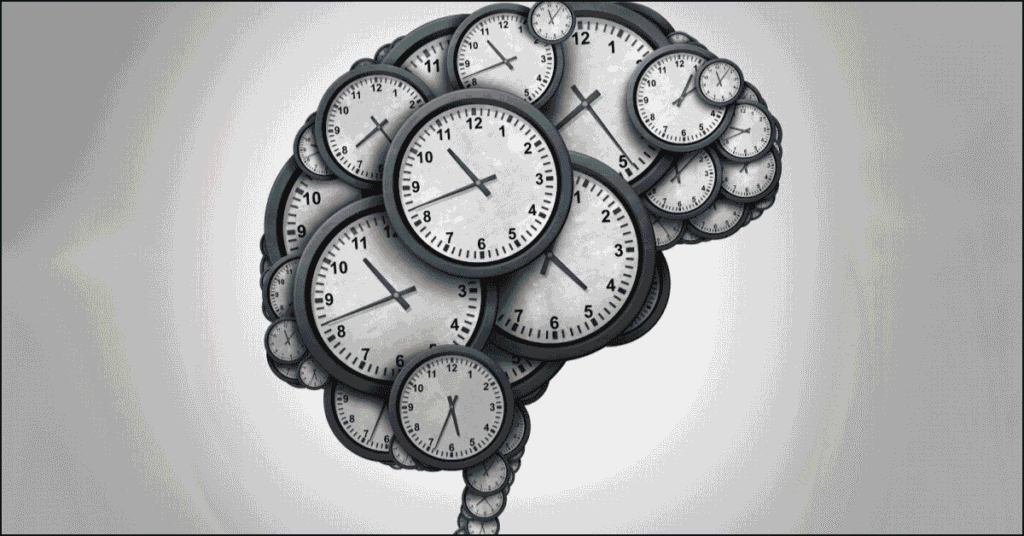
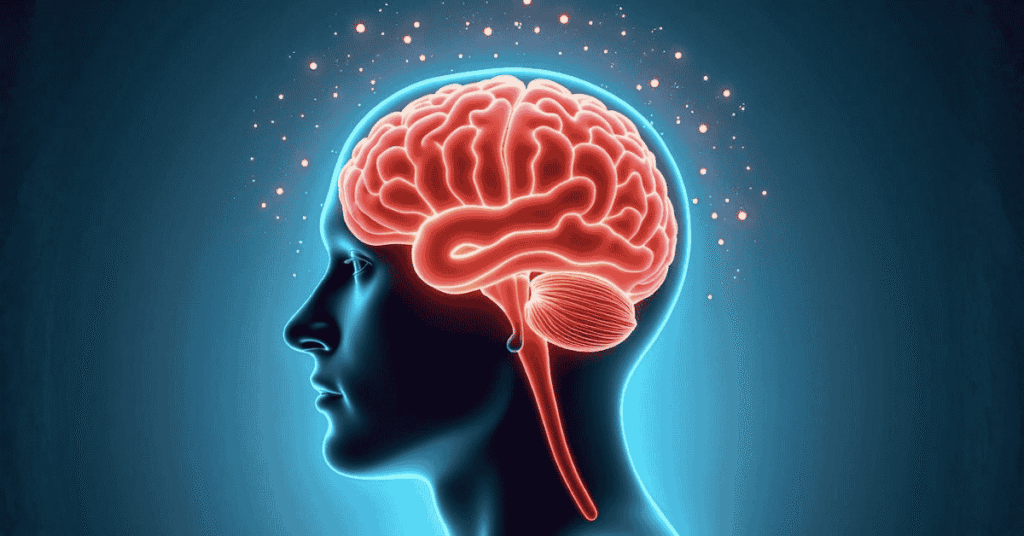
Human beings are natural pattern-seekers. From recognizing faces in a crowd to anticipating the rhythm of a song, the brain constantly searches for order in what might otherwise feel like chaos. This preference for patterns and predictability is not accidental—it is deeply rooted in how the brain evolved, how it processes information, and how it helps us survive and function efficiently in the world.
Human Brain Pattern Recognition Explained
Evolutionary Roots of Pattern Recognition
The human brain evolved in environments where quickly identifying patterns could mean the difference between survival and danger. Early humans who could recognize patterns—such as animal tracks indicating prey or predators, seasonal changes affecting food availability, or social cues signaling trust or threat—had a significant advantage.
Predictability reduced uncertainty. If certain clouds reliably preceded rain or specific sounds indicated an approaching animal, recognizing these patterns allowed for faster, safer decisions. Over time, the brain became optimized to look for regularities and repeated structures in the environment.
The Brain as a Prediction Machine
Modern neuroscience often describes the brain as a “prediction engine.” Rather than passively receiving information, the brain constantly generates predictions about what will happen next and then updates those predictions based on incoming sensory data.
When events follow expected patterns, the brain uses less energy to process them. This efficiency is crucial because the brain, while only a small percentage of body weight, consumes a large amount of energy. Predictability helps conserve mental resources, allowing attention to be focused on novel or potentially important changes.
When predictions are confirmed, the brain experiences a sense of stability and control. When they are violated, the brain must work harder to adapt, which can feel stressful or uncomfortable—especially if unpredictability is constant.
Comfort, Safety, and Emotional Regulation
Patterns and routines provide psychological comfort. Familiar sequences—daily habits, cultural rituals, or repeated experiences—create a sense of safety. This is why routines are often recommended during stressful times: they reduce cognitive load and emotional uncertainty.
Predictability also helps regulate emotions. Knowing what to expect lowers anxiety because the brain does not have to prepare for multiple possible outcomes. In contrast, unpredictable environments keep the brain in a heightened state of alertness, which can increase stress over time.
This is especially evident in childhood. Children often prefer repeated stories, songs, and routines because predictability supports learning and emotional security while their brains are still developing.
Learning and Memory Benefits
Patterns are essential for learning. The brain organizes information by grouping related concepts, identifying relationships, and forming mental models. Whether learning language, mathematics, music, or social behavior, recognizing patterns allows the brain to generalize from specific examples.
For example:
- Language relies on grammatical patterns and predictable sentence structures.
- Music uses rhythm, repetition, and harmony to create coherence.
- Mathematics is built entirely on numerical and logical patterns.
Memory also benefits from predictability. Information that fits into existing patterns is easier to store and recall because it connects to what the brain already knows.
Reward Systems and Pattern Completion
The brain’s reward system is closely linked to pattern recognition. When the brain successfully predicts or completes a pattern, it often triggers a small release of dopamine—a neurotransmitter associated with pleasure and motivation.
This is why people enjoy:
- Solving puzzles
- Recognizing plot twists just before they happen
- Finding hidden patterns in data or stories
- Listening to music that balances repetition with slight variation
The satisfaction comes from the brain confirming its expectations while still being gently stimulated.
When Predictability Becomes Limiting
While the brain loves predictability, too much of it can lead to boredom or cognitive rigidity. Growth and creativity often arise when patterns are challenged or slightly disrupted. The brain responds positively to a balance: enough predictability to feel safe, and enough novelty to remain engaged and adaptable.
Healthy cognitive function involves moving between comfort and challenge—using patterns as a foundation while remaining open to change.
Conclusion
The human brain’s love for patterns and predictability is a fundamental aspect of how we think, learn, and feel. Rooted in evolution and reinforced by efficiency, emotional regulation, and reward systems, this preference helps us navigate a complex world with confidence and stability. At the same time, the brain thrives best when predictability is balanced with novelty, allowing both security and growth to coexist.