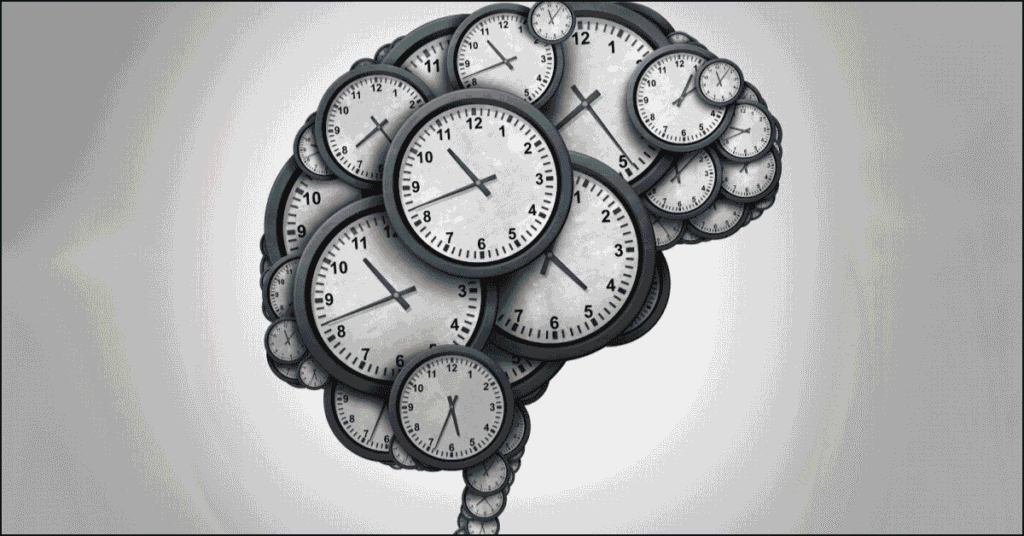

Personality is what makes each person unique. It shapes how we think, feel, react, and interact with others. While many people believe personality is something we are born with and cannot change, research shows that personality develops gradually over time, influenced by both biological and environmental factors. From early childhood to adulthood, personality is continuously shaped by experiences, relationships, and personal choices.
The Role of Genetics in Early Personality
Personality development begins early in life, and genetics play an important role. Some traits, such as temperament, appear in infancy. For example, some children are naturally calm and adaptable, while others are more sensitive or energetic. These early tendencies are influenced by inherited traits related to brain chemistry and nervous system sensitivity.
However, genetics do not determine personality on their own. They provide a foundation, not a fixed outcome. How these traits develop depends largely on a child’s environment and experiences.
Childhood Experiences and Emotional Development
Early childhood is a critical period for personality development. During this stage, children begin to learn emotional regulation, trust, and social behavior. Interactions with parents, caregivers, and close family members strongly influence how children view themselves and the world.
Supportive environments that offer safety, consistency, and encouragement help children develop confidence and emotional stability. On the other hand, stressful or unpredictable environments may lead to increased anxiety, withdrawal, or heightened emotional reactions. These early patterns often influence how individuals handle emotions later in life.
Social Interaction and Learning in School Years
As children grow, school and peer relationships become major influences. Through friendships, group activities, and social challenges, children learn cooperation, empathy, and communication. They begin comparing themselves to others, which helps shape self-esteem and identity.
Positive social experiences encourage openness and adaptability, while repeated negative experiences such as exclusion or criticism may affect confidence and social behavior. At this stage, children also start developing moral understanding and personal values, which are important components of personality.
Adolescence and Identity Formation
Adolescence is one of the most significant phases of personality development. During this time, individuals actively explore who they are and what they believe. Rapid physical changes, emotional growth, and increased independence contribute to self-awareness.
Teenagers often experiment with different roles, interests, and beliefs as they search for a sense of identity. This exploration can lead to changes in confidence, emotional expression, and social behavior. While adolescence may feel unstable, it plays a key role in forming long-term personality traits such as independence, responsibility, and resilience.
Adulthood and Personality Stability
By adulthood, personality traits become more stable, but they do not stop developing. Life experiences such as higher education, careers, relationships, and parenthood continue to influence behavior and emotional responses.
Many adults show gradual changes over time, often becoming more emotionally balanced, patient, and self-aware. Responsibilities and long-term goals can strengthen traits like conscientiousness and emotional control. At the same time, major life events can still lead to personal growth or shifts in perspective.
Can Personality Change Over Time?
While core traits tend to remain consistent, personality is not fixed. People can change through self-reflection, learning, and experience. New environments, challenges, and conscious efforts can influence habits, emotional responses, and social behavior.
Personality development is best understood as a lifelong process rather than a finished product. Growth often happens slowly and naturally as individuals adapt to new situations and gain insight into themselves.
Understanding Personality Development
Understanding how personality develops helps explain why people behave differently in similar situations. It also encourages empathy, as personality reflects a combination of biology, experience, and personal history.
From childhood curiosity to adult self-awareness, personality evolves with every stage of life. Rather than being something we simply inherit, personality is shaped through living, learning, and growing over time.